New-style JSA: the contribution test


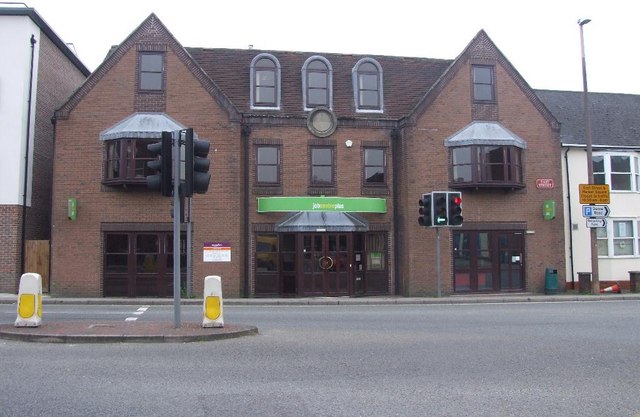
New-style JSA is the only form of Jobseeker's Allowance open to new claimants. It replaced contribution-based JSA, and it works on the same idea: you paid into the system while you were working as an employee, and the benefit pays out for a limited period while you look for your next job. Because it is contribution-based, it is not means-tested. That single distinction shapes almost everything else about it.
The eligibility checklist
GOV.UK lists the conditions together. To be eligible for new-style JSA you must have worked as an employee and paid Class 1 National Insurance contributions, usually in the last two to three years. You must also be 18 or over, be under State Pension age, be in Great Britain, and not be working sixteen or more hours per week. You must not be in a trade dispute with your employer, and you must not have an illness or disability that stops you from working: in that case Employment and Support Allowance is the benefit to look at instead. This guide follows the Great Britain rules on GOV.UK; Northern Ireland has its own JSA process.
Which tax years count
GOV.UK explains the contribution test in more detail: you must usually have made Class 1 National Insurance contributions for the previous two tax years, and National Insurance credits can count for one of those years if you did not pay contributions. The benefit year starts on the first Sunday in January, which is why the relevant years can feel further back than you expect. GOV.UK gives a worked example: if you apply on or before 2 January 2027, the relevant tax years are 6 April 2023 to 5 April 2024 and 6 April 2024 to 5 April 2025. If you apply on or after 3 January 2027, they are 6 April 2024 to 5 April 2025 and 6 April 2025 to 5 April 2026. Check your National Insurance record before assuming you qualify, especially if your recent work was part-time, seasonal, or interrupted.
Who cannot qualify on contributions alone
If you were self-employed and only paid Class 2 National Insurance contributions, GOV.UK says you will not be eligible, unless you were working as a share fisherman or a volunteer development worker. Self-employed people who lose their work are therefore often directed to Universal Credit instead, which has no contribution test. The same applies to someone whose recent employment was too short or too long ago to meet the two-year test.
What does not affect a new-style claim
Your savings and your partner's savings will not affect your claim, GOV.UK states this plainly, and it surprises many people who remember the old means-tested rules. Your partner's income does not affect it either, and there is no extra amount for a partner or children: new-style JSA is an individual claim at a flat age-based rate. Two things can reduce the amount, however: earnings from work under sixteen hours a week, and pension income. GOV.UK says your earnings can reduce the amount you get, and asks for a pension statement letter when you claim, so tell your work coach about any work or pension promptly rather than letting an overpayment build up.
Part-time work and study
You cannot usually get new-style JSA if you work sixteen or more hours per week, but working fewer hours does not automatically end a claim: it reduces it, depending on your earnings. Part-time study may be compatible with JSA, and full-time study can be compatible only in narrow circumstances, where the qualification is at Level 4 or below, you receive no maintenance loan, grant, or bursary for it, and you can still meet the work-related requirements agreed with your work coach. If you are considering a course, raise it at your interview before enrolling, because a course that stops you being available for work can stop the claim.
Sources: GOV.UK, Jobseeker's Allowance (JSA), Eligibility and National Insurance contributions sections.