Jobseeker's Allowance, in plain English
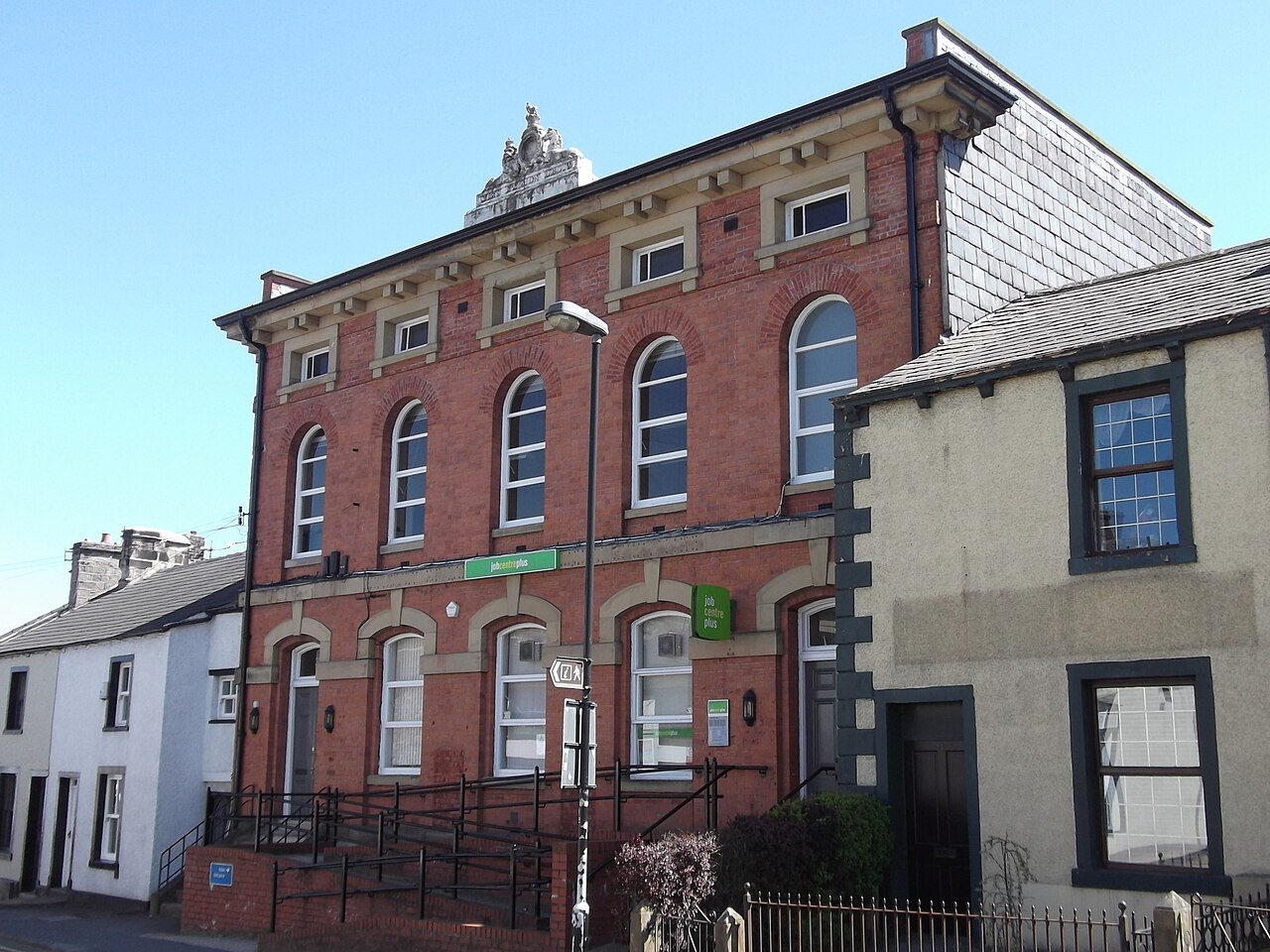

Jobseeker's Allowance, usually called JSA, is a benefit for people in the United Kingdom who are looking for work. The form most people can claim today is called new-style JSA. It is paid for a limited time to people who have recently worked as employees and paid enough National Insurance contributions, and who are available for and actively seeking work. It is not a general payment for everyone who is unemployed: the National Insurance test, the age limits, and the work-search rules all have to be met, and they are explained one by one on this site.
JSA in one paragraph
New-style JSA is a contribution-based benefit, which means it depends on your National Insurance record rather than on your household income or savings. GOV.UK states the current weekly maximum as up to £75.65 if you are up to 24, and up to £95.55 if you are 25 or over, and that you can get it for up to 182 days, about six months. You claim through GOV.UK, attend an interview at your local Jobcentre Plus office, and agree a Claimant Commitment setting out the steps you will take to look for work. If you do not keep to that agreement without a good reason, your payment can be reduced or stopped. Income-based JSA, the older means-tested version, is closed to new claims: GOV.UK directs new claimants to Universal Credit instead.
The two names you will meet
| Version | Who it was for | Can you claim it now? |
|---|---|---|
| New-style JSA | Employees with enough recent Class 1 National Insurance contributions | Yes, this is the live claim |
| Income-based JSA | People on low household incomes, tested on means rather than contributions | No, closed to new claims; Universal Credit has taken its place |
Confusing the two is the most common source of wrong advice about JSA. Old articles that talk about JSA as a means-tested benefit, or that describe couples claiming JSA together, are usually describing income-based JSA. New-style JSA is claimed as an individual, it has no amount for a partner or children, and your partner's income and your savings do not affect it. If you need help with rent, children, or a low household income on top of JSA, that help comes from Universal Credit, which can be claimed at the same time.
What this site covers
Start with new-style JSA for the contribution rules and the tax years that count, then income-based JSA for what the closed benefit was and what replaced it. Rates and payments sets out the 2026/27 weekly amounts, the waiting period, and fortnightly payment. Claimant Commitment explains your work-search agreement and the evidence you show at appointments every one to two weeks. Sanctions explains what happens if you miss an appointment or turn down work without good reason. How to claim is the practical step-by-step guide, including the documents to take to your interview. JSA and Universal Credit explains how the two fit together, new-style vs old-style clears up the old terminology, when JSA ends covers the 182-day limit and reclaiming, and myths and mistakes tackles the misunderstandings that cost people money.
Three misunderstandings, cleared up at the start
JSA is not paid because you are unemployed in general. It is paid because you meet a contribution test and a set of work-search conditions. JSA is not means-tested. For new-style JSA, savings and a partner's income do not affect the claim, although earnings from part-time work and some pension income can reduce the amount. JSA is not open-ended. The 182-day limit is real, and planning for what comes after it, usually Universal Credit, should start well before the final payment.
Sources: GOV.UK, Jobseeker's Allowance (JSA) guide; The Social Security Benefits Up-rating Order 2026 (SI 2026/148), Schedule 2; The Jobseeker's Allowance Regulations 2013.